Customer-Favorite Luxury Replica Rings
Craftsmanship and Glamour: The Art of Royal Collection Jewellery
Royal collection jewelry embodies a blend of craftsmanship and glamour. Every piece displays intricate techniques including filigree and enameling, reflecting the skill of dedicated artisans. Legendary gemstones such as the Koh-i-Noor diamond bear profound historical stories. This refinement and craftsmanship not only underscore the magnificence of royalty but also shape modern trends. As one delves into the complex narratives surrounding these artifacts, the meaningful links to history and heritage become progressively clear.
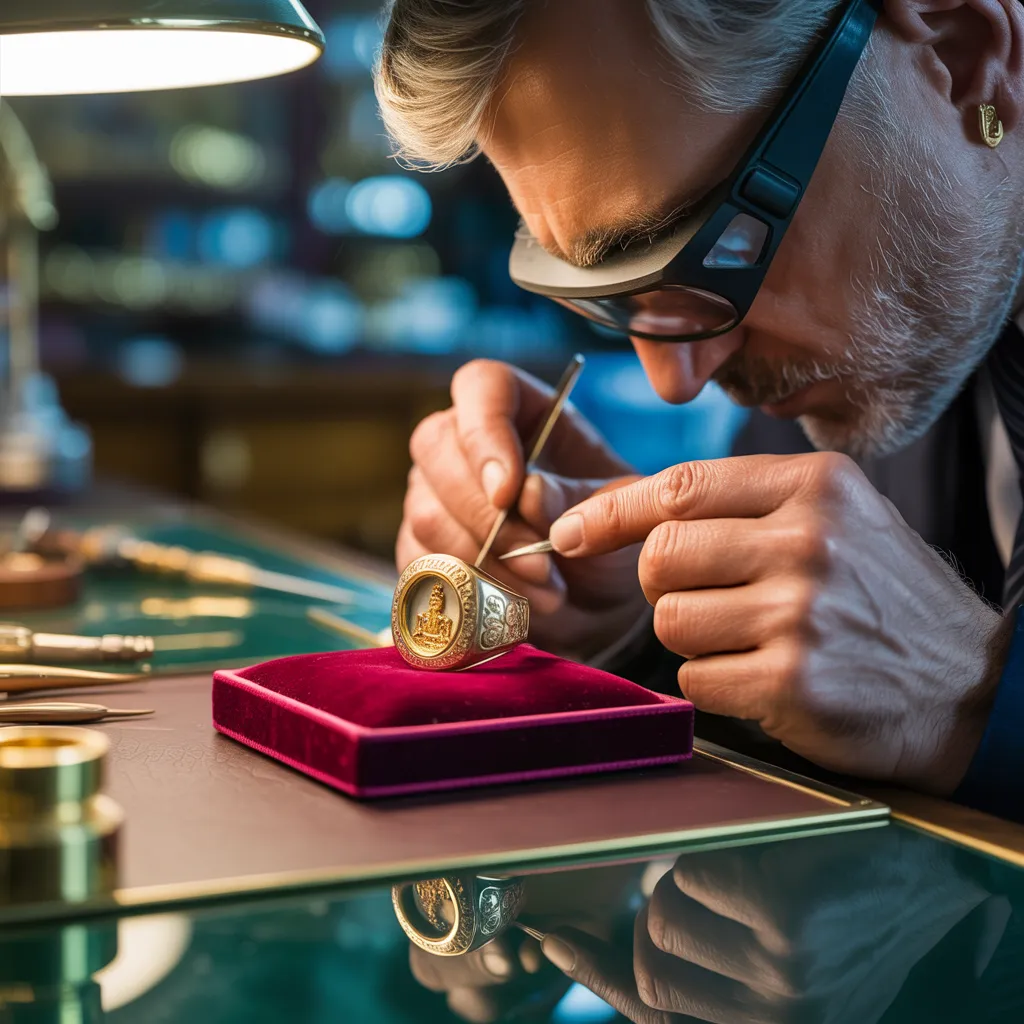
The Storied Past Behind Royal Collection Jewelry Pieces
The story behind Royal Collection Jewelry mirrors the complexity of the artifacts themselves, reflecting centuries of royal patronage and artistry. Emerging during the early modern era, these pieces were frequently requested by royalty to symbolize dominance, affluence, and standing. Every jewel narrates a tale, weaving together momentous historical occasions and the journeys of prominent personalities.
The collection has developed through dynastic transitions, incorporating influences from diverse cultures and artistic movements. Remarkable gemstones, including diamonds and emeralds, have been carefully set in designs that extend from the grandiose to the subtle, highlighting the variety of royal aesthetics.
The Royal Collection Jewelry has long served not only as ornamentation but also as diplomatic gifts, symbolizing alliances and heritage. Today, these remarkable treasures are continually preserved, offering a window into the grandeur of the history of royalty and the enduring legacy of craftsmanship that defines the collection.
Refined Skills in Royal Collection Jewelry Making
Artistry in Royal Collection Jewelry showcases an extraordinary array of exceptional techniques that have been perfected over generations. Each work is a testament of the artisans' commitment, incorporating methods such as granulation, enameling, and filigree. Filigree, known for fine, lace-resembling motifs, highlights elaborate metal craftsmanship that creates texture and visual complexity. Granulation requires the careful application of small metallic beads, creating remarkable formations that enhance visual appeal.
Furthermore, enameling techniques bring vibrant colors to life, allowing for creative expression while ensuring durability. The artistry frequently utilizes time-honored hand-tooling techniques, which impart unique character to each item. These methods are enriched by contemporary advancements that improve accuracy while preserving the artistic vision. In summary, the thorough commitment to quality and the combination of time-tested and innovative practices highlight the lasting heritage of Royal Collection Jewelry artistry, making each piece not just an accessory, but a work of art.
Famous Gemstones in Royal Collection Jewelry: What Sets Them Apart?
Iconic gemstones in Royal Collection Jewelry are distinguished not only for their scarcity but also for the histories they hold. Each gemstone carries a deep historical significance, often connected with notable royal milestones or notable figures. As an example, the Cambridge Emeralds, an exquisite set of emeralds historically bestowed upon Queen Mary, represent royal heritage and the flow of time. In the same way, the Koh-i-Noor diamond, with its complex past, has captivated generations, symbolizing authority and grandeur.
These gemstones are not merely decorative; they equally act as representations of affluence and prestige. Their distinctive hues, dimensions, and facets amplify their appeal, rendering them highly sought-after valuables. The meticulous craftsmanship that accompanies these stones further elevates their significance, as artisans carefully design settings that complement their natural beauty. Combined, these celebrated gems add to a tale of lineage, artisanship, and the lasting legacy of sovereign history.
How Royalty Influences Contemporary Jewelry Trends
Royalty has long been a hallmark of enduring grace, influencing contemporary jewelry design. Contemporary fashion frequently takes its cues from the intricate styles and rich symbolism associated with royal heritage. As a result, current trends embody a fusion of heritage and modernity, resonating with the magnificence of historic royal courts.
Timeless Elegance in Design
Fine jewelry, often seen as a mirror of cultural identity and social standing, is profoundly influenced by the heritage of royalty. The sophistication found in regal designs reveals a mastery of craftsmanship that transcends time. Distinguished pieces, marked by their detailed settings and exceptional gemstones, encourage today's artisans seeking refinement. The royal affinity for enduring motifs, such as ornate floral designs and distinguished color palettes, continues to shape contemporary design sensibilities. This lasting allure underscores enduring quality over passing trends, steering artisans toward enduring sophistication. As royal treasures are featured in exhibitions and public appearances, they strengthen the bond between tradition and present-day aesthetics. The outcome is a artistic landscape elevated by rich history, where the impact of royal traditions remains a cornerstone of design.
Guiding Current Fashion Trends
In what ways do the selections of royal figures shape the trends observed in contemporary jewelry design? Royalty often serves as a beacon of style, with their selections impacting public tastes markedly. Whenever royals are spotted wearing distinctive pieces, including tiaras or striking earrings, such items tend to become desirable fashion trends. Jewelry designers carefully study royal fashion moments, adjusting their collections to mirror these prominent selections, thus connecting traditional aesthetics with modern style. Moreover, widespread media attention enhances these influences, sparking enthusiasm that brings royal-inspired jewelry into the mainstream. By championing timeless styles and distinctive gemstones, royals pay tribute to tradition while encouraging younger generations to incorporate and reinterpret these lavish elements into their everyday looks, influencing the evolution of contemporary jewelry.
Symbolism of Regal Heritage
Grace commonly reflects the deep essence of regal history, influencing contemporary jewelry trends in profound ways. Nobility has historically represented power and prestige, inspiring modern designers to incorporate elements that reflect this legacy. Timeless symbols, including crowns, crests, and intricate filigree, convey a feeling of magnificence, resonating with individuals who wish to capture regal refinement. Moreover, the incorporation of distinct gemstones—including sapphires and emeralds—bears considerable historical importance, often associated with nobility and protection. This bond with tradition not only elevates the visual charm of jewelry but also enriches it with narrative and meaning. study Therefore, modern jewelry showcases a harmony of classic roots and forward-thinking design, appealing to those who admire the elegance of noble artistry.
Managing and Maintaining Royal Collection Jewelry
Surrounding elements, like temperature, light, and humidity, are meticulously managed within display cases to prevent deterioration. Consistent cleaning and restoration by experienced restorers also serve a crucial function in preserving these artifacts.
Moreover, educational outreach is essential; curators regularly design displays that emphasize the technical mastery and artistry behind each artifact. This not only fosters appreciation among the public but also reinforces the significance of safeguarding these cultural treasures for future generations. In essence, managing royal jewelry collections demands a thoughtful balance between preservation and honoring cultural legacy.
Cultural Relevance of Royal Collection Jewelry
Royal Collection Jewelry represents not only remarkable craftsmanship but also profound cultural significance. Each jewel acts as a physical embodiment of culture, politics, and societal principles, typically capturing the spirit of its time. These remarkable gems have decorated royalty and prominent figures, representing authority and distinction while linking successive generations to their cultural legacy.
In addition, the jewelry's detailed creations regularly draw inspiration from traditional motifs, showcasing the craftsmanship of different cultures. This positions Royal Collection Jewelry a crucial link to national heritage and pride. Moreover, these works often showcase precious stones and materials sourced from various regions of the world, emphasizing the cultural bonds across history.
In ceremonial contexts, such pieces hold a significant place, commemorating meaningful events and festivities. Consequently, Royal Collection Jewelry surpasses ordinary embellishment, capturing histories, traditions, and the lasting legacy of the royal lineage it represents.
Royal Jewelry Investments: The Ultimate Collector's Guide
Investing in royal jewels gives collectors a unique opportunity to own pieces rich in cultural significance and worth. Recognizing the significance of genuine provenance is vital, as is understanding the appraisal process to guarantee a sound investment. This guide will explore these important factors to aid prospective buyers in making informed decisions.
Historical Significance and Value
Although many collectors are captivated by the allure of royal jewelry, grasping its historical relevance and value necessitates an astute eye and well-informed outlook. Each jewel commonly captures a singular tale, symbolizing the age and society in which it was made. Royal jewelry frequently features intricate craftsmanship, utilizing rare materials that not only enhance its aesthetic appeal but also contribute to its investment potential. Throughout history, these pieces have served as emblems of authority, standing, and heritage, making them desirable for collectors seeking to preserve heritage. The documented background of each piece can substantially affect its market price, since verified records can establish their genuineness and significance. As a result, royal jewels function as both a concrete investment and an expression of artistic heritage.
Authenticity and Appraisal Tips
Steering through the world of royal jewelry requires a discerning approach to appraisal and authenticity. It is advisable for collectors to begin by researching the provenance of each piece, establishing its historical link to distinguished royalty. Proper documentation, such as authenticity certificates, is fundamental to verifying legitimacy. Consulting a certified specialist with expertise in royal jewelry can further provide reliable appraisal. Enthusiasts are encouraged to study period-specific hallmarks and artisan techniques. Furthermore, visiting esteemed auctions and exhibitions helps collectors stay informed about evolving market dynamics. Ultimately, a meticulous approach to authenticity and appraisal not only protects investments but also enriches the collector's appreciation of these exquisite artifacts.
Common Questions and Answers
How Do I Recognize Genuine Royal Collection Jewelry
To identify legitimate royal jewelry pieces, it is important to inspect the hallmark carefully, verify provenance through reputable dealers, and assess craftsmanship quality. Moreover, working with certified appraisers can provide further assurance of value and legitimacy.
Are Replicas of Royal Collection Items Offered?
Certainly, reproductions of royal collection items are accessible in many marketplaces. Even though they attempt to replicate designs and aesthetics, authentic pieces possess unique qualities and provenance that distinguish them from these reproductions. For collectors, authenticity continues to be of utmost importance.
Which Royal Jewelry Thefts Are the Most Celebrated in History?
Prominent royal jewelry thefts encompass the 1911 theft of the royal Crown Jewels from the historic Tower of London and the notorious 2015 heist at the Hatton Garden safe deposit company, which targeted prized royal jewels among other treasures.
How Are Royal Jewels Stored and Displayed?
Fine royal jewelry is generally kept in secure, climate-controlled vaults, providing safeguarding against theft and deterioration. Displayed in museums or exhibitions, items are frequently presented beneath glass displays, celebrating their cultural importance and exceptional workmanship.
What Events Typically Feature Royal Collection Jewelry?
Royal collection jewelry typically features significantly during royal weddings, state banquets, and official ceremonies. Additionally, it is showcased at major state visits and national celebrations, highlighting the prestige and cultural heritage linked to the monarchy.
In Conclusion
In conclusion, royal collection jewelry captures the fusion of artistry and history, with its masterful craftsmanship and iconic gemstones telling tales of power and prestige. As the legacy of these exquisite pieces continues to influence contemporary trends, their cultural relevance remains significant. Enthusiasts and collectors alike are enchanted by the narratives embedded in each piece, making certain that the charm of royal jewelry endures, defying time and inspiring generations to celebrate the grandeur of this illustrious heritage.