Discover Most Popular Replica Royal Rings
Experience the Grandeur: a Deep Dive Into Royal Collection's Finest Jewelry
Regal jewelry holds a distinctive position in our cultural history, representing prestige and power across the ages. Each artifact, from tiaras to brooches, narrates a tale of cultural significance and artistry. The level of craftsmanship is truly remarkable, reflecting techniques passed down through centuries. As one explores these treasures, one begins to question their influence on contemporary fashion and the ongoing efforts to preserve their legacy. What mysteries could these exquisite pieces uncover?
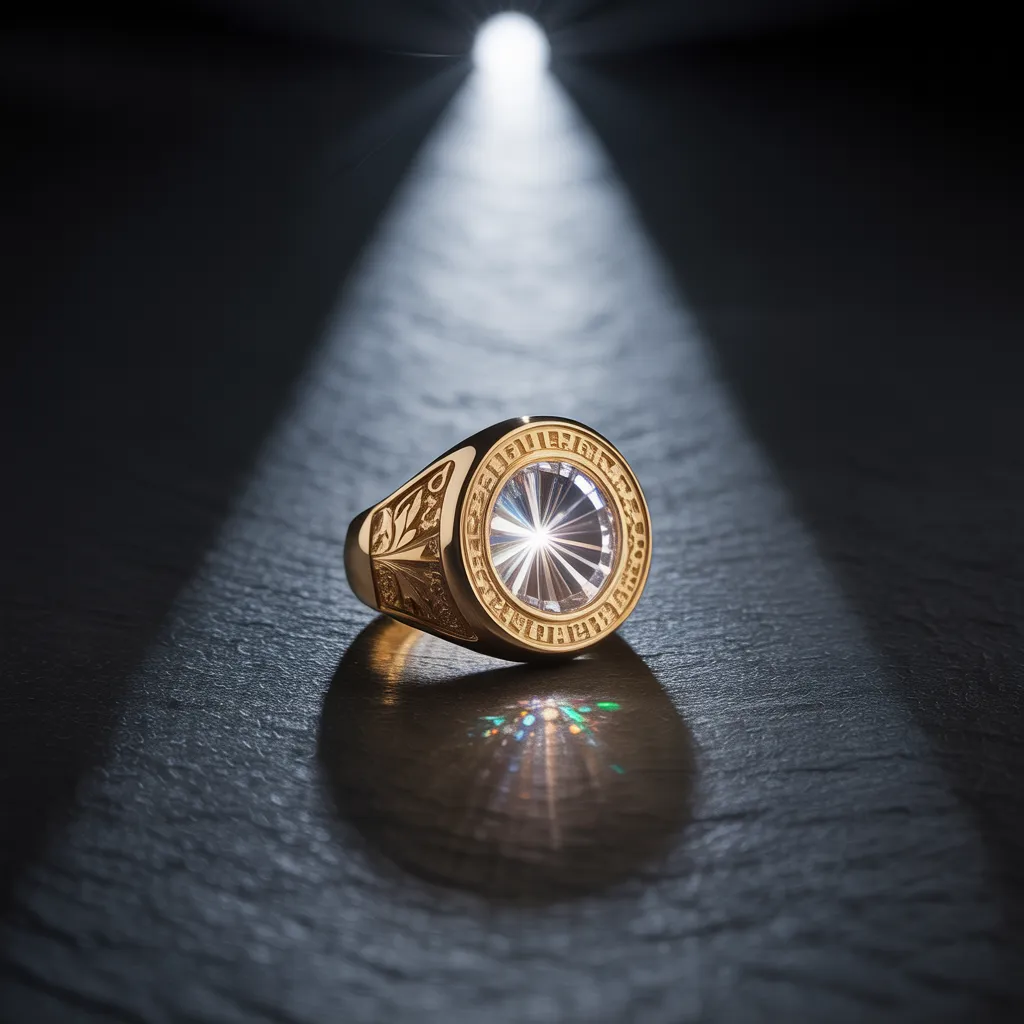
The Impact of Royal Jewelry Throughout History
Over the centuries, monarchical jewelry has functioned as a powerful symbol of authority and status, showcasing the resources and power of sovereign rulers. These remarkable creations were frequently made from the finest materials, including gold, silver, and rare stones, demonstrating the craftsmanship of jewelers and the power of the royal house. Monarchical pieces not only adorned the elite but also expressed sovereignty, authenticity, and ancestry. Crowns, tiaras, and necklaces often incorporated intricate designs that embodied a nation's cultural identity, while also functioning as tokens of diplomacy to solidify alliances. The value of these artifacts transcended mere ornamentation; they were integral to royal events, crowning ceremonies, and official occasions, symbolizing lasting authority and governmental strength. As keepers of historical legacy, regal pieces links ancient traditions to modern times, reflecting the ambitions and achievements of royal families across centuries, making them invaluable cultural artifacts.
Timeless Pieces From the Royal Collection
The Royal Collection serves as a repository for several of the most celebrated works of jewelry in the annals of history, featuring the legendary Crown Jewels. These extraordinary pieces not only showcase remarkable artisanship but also represent significant historical narratives. Notable royal wearers have further enriched their historical legacy, rendering them symbols of heritage and power.
Crown Jewels Overview
The Crown Jewels represent the rich history and enduring tradition of the British monarchy, presenting an array of magnificent artifacts that embody centuries of artistry and importance. The most celebrated pieces include the Imperial State Crown, embellished with close to 3,000 diamonds, and the Sovereign's Sceptre, incorporating the celebrated Cullinan I diamond. The Coronation Spoon, a historic relic, signifies the ceremonial importance of the collection. Each piece serves a unique role during royal events, embodying the power and prestige of the Crown. The collection is preserved within the Tower of London, welcoming millions of guests every year. As a whole, they represent a magnificent homage to the craftsmanship and legacy of British royalty, fascinating spectators across the world.
Understanding Historical Significance
Although numerous items in the Royal Collection tell stories of power and legacy, a few iconic items stand out for their profound historical significance. The Imperial State Crown, featuring the Cullinan II diamond, symbolizes the sovereignty of the British monarchy and has been worn during the State Opening of Parliament since 1837. One additional distinguished piece is the Cambridge Lover's Knot Tiara, which is connected to Queen Mary and Princess Diana, reflecting the lasting bonds and familial relationships within the monarchy. Additionally, the Koh-i-Noor diamond, historically regarded as a symbol of colonial power, highlights the intricate relationship between history, power, and cultural significance. These iconic pieces not only showcase exquisite craftsmanship but also encapsulate pivotal moments in the monarchy's storied past.
Celebrated Monarchical Individuals
A great number of royal figures have worn celebrated pieces from the Royal Collection, with each one adding a unique dimension to the narrative of these extraordinary jewels. Queen Elizabeth II, for instance, was often seen wearing the breathtaking Burmese Ruby Tiara, a treasured gift from the people of Burma, embodying grace and resilience. Princess Diana gained worldwide recognition for the remarkable sapphire engagement ring, which still stands as a symbol of her legacy. The Duchess of Cambridge, Kate Middleton, has demonstrated a fondness for these pieces, frequently choosing to wear the famous Cambridge Lover's Knot Tiara, first created for Queen Mary. Every royal who wore these pieces not only highlighted the exquisite artistry but also wove personal narratives and cultural meaning into the timeless elegance of the Royal Collection, guaranteeing its enduring legacy.
The Skill Behind Royal Collection's Jewelry
The creative excellence of Royal Collection Jewelry demonstrates a profound passion for exceptional artistry that transcends mere adornment. Each creation is painstakingly fashioned by expert jewelry makers who employ traditional methods, guaranteeing that every detail is executed with precision. From the selection of high-quality gemstones to the detailed metal craftsmanship, the creation process embodies a commitment to excellence.
Artisans often draw inspiration from historical designs, combining traditional elements with contemporary styles. This combination yields exceptional works that not only display extraordinary beauty but also convey a narrative. Methods including hand-setting, engraving, and filigree are frequently employed, underscoring the painstaking effort invested in each creation.
The inclusion of precious metals and ethically sourced stones greatly adds to the worth of Royal Collection Jewelry, establishing it as a symbol of luxury and heritage. Above all, this commitment to artisanship ensures that each creation endures through the ages, cherished for generations to come.
How Royal Jewelry Embodies Cultural Traditions
Royal jewellery acts as a mirror to cultural heritage, highlighting distinctive symbolism within its design elements. Historical influences are evident within the styles embraced by different regions, embodying the values and read here narratives of their individual societies. Moreover, traditional craftsmanship methods contribute to the defining features of each crafted piece, greatly enhancing the cultural narrative preserved within royal collections.
Symbolism In Design Motifs
Jewellery commonly functions as a significant medium for expressing cultural identity and heritage, most notably in royal collections. The artistic motifs in royal jewelry commonly reflect meaningful cultural icons, showcasing the beliefs and values of a culture. For example, designs such as the lotus blossom in Egyptian jewellery symbolize rebirth and purity, while Celtic knot patterns signify unity and eternity. Each element is carefully selected to communicate themes of lineage, power, and protection. Furthermore, the application of hues and materials often reflects regional traditions, including the use of precious stones thought to carry symbolic meanings. Consequently, royal jewelry does not merely function as decoration but also as a historical record, uncovering the rich tapestry of cultural history and heritage through its elaborate craftsmanship.
Historical Influences On Style Trends
Although influenced by numerous historical occurrences, royal jewelry often reflects the lasting cultural heritage of a society. Each piece serves as a reflection of the principles, traditions, and practices that have defined its heritage. As an example, the intricate designs found in European crowns can expose ties to ancient mythology, while Asian royal decorations often feature emblems of prosperity and harmony. The use of carefully chosen gems, such as sapphires and emeralds, frequently aligns with cultural significance—symbolizing wisdom or fertility, respectively. In addition, the techniques and design sensibilities transform alongside sociopolitical changes, yet they continually copyright traditional motifs and techniques. Therefore, royal jewelry extends beyond demonstrating aesthetic beauty but also encapsulates the rich tapestry of cultural heritage throughout history.
Regional Craftsmanship Techniques
Craftsmanship techniques in royal jewelry demonstrate unique cultural characteristics that reflect the historical customs of various societies. In India, elaborate ornamental designs and brilliant jewel placements display the country's rich heritage, often incorporating designs influenced by nature and mythology. Meanwhile, in Europe, practices like cloisonné and champlevé enamel illustrate the artistry of medieval craftsmanship, often adorned with heraldic symbols that represent lineage and status. African royal jewelry commonly utilizes beadwork and metal-smithing, applying natural materials to communicate spiritual significance and community identity. These diverse regional approaches not only enrich the artistic quality of royal pieces but also stand as a testament to the craftsmanship and historical stories that have guided their evolution over time.
Royal Jewelry and Its Influence on Modern Trends
As royal families around the world continue to showcase their exquisite collections, the influence of royal jewelry on modern trends becomes increasingly evident. Fashion creators frequently seek inspiration from the enduring sophistication and detailed artistry present in royal jewels, translating these elements into contemporary fashion. Signature motifs, such as floral designs and geometric patterns, frequently appear in modern collections, demonstrating the perpetual charm of traditional design influences.
Moreover, the reemergence of timeless visual themes in the jewelry industry can be linked to the royal collections that showcase lavish precious stones and detailed metalwork. Online social networks magnify this effect, with well-known icons often found replicating royal fashion influences, further popularizing these trends among everyday consumers. As a result, consumers are actively pursuing designs that echo regal magnificence, resulting in a combination of tradition and modernity in today's jewelry market. This intersection not only celebrates aristocratic legacy but also influences future generations of artisans and enthusiasts alike.
Honoring the Heritage: Preservation Initiatives and Displays
Regal jewelry not only shapes modern design but also requires dedicated efforts for conservation and display. Establishments entrusted with these precious items hire expert conservators who thoroughly examine the condition of every item. This involves cleaning, repairing, and ensuring the proper environmental factors—temperature, moisture levels, and lighting—to avoid degradation.
Displays play an essential role in presenting these objects, enabling the general audience to recognize their artistic and historical importance. Museum professionals partner to design curated presentations that convey engaging narratives, bringing together the narratives of the origins of the jewelry and their noble proprietors.
Questions You May Have
Who Commonly Develops Royal Collection Jewelry Works
Royal collection jewelry pieces are typically created by celebrated craftsmen and designers, frequently requested by noble households. These designers focus on intricate craftsmanship, historical significance, and the use of fine and luxurious materials to create exquisite pieces.
How Is Royal Jewelry Authenticated?
Authentic royal jewelry is verified through careful scrutiny by specialists, who evaluate workmanship, composition, and historical origins. Paperwork, such as purchase records and certificates, additionally validates the authenticity, preserving the articles' legitimacy and royal ancestry.
What Materials Are Commonly Used in Royal Jewelry?
Traditional royal jewelry is often adorned with precious metals like gold, platinum, along with a diverse selection of exquisite gemstones such as sapphires, diamonds, rubies, and emeralds. These materials embody wealth, power, and the enduring legacy of royalty.
Are There Any Royal Jewelry Auctions?
Certainly, royal jewelry auctions are held periodically, showcasing magnificent items from diverse royal collections. These events attract collectors and enthusiasts alike, providing an exceptional chance to obtain historically important pieces steeped in heritage and artisanship.
In What Ways Can the Public Access Royal Jewelry Collections?
Visitors can discover royal jewellery collections through the means of exhibitions organized by museums, exclusive events, and open days at royal residences. Select collections can also be presented at important anniversaries or royal festivities, enabling wider public access.
Wrapping Up
When examining the Royal Collection Jewelry, visitors uncover a rich blend of artistry, history, and cultural meaning. Every piece not only represents power and prestige but also highlights the intricate craftsmanship that has been preserved through generations. As modern trends continue to evolve, the timeless influence of regal jewels remains influential, bridging past and present. Via continued preservation initiatives and displays, these enduring masterpieces will captivate future generations, ensuring that their stories and elegance endure.